Getting older comes with plenty of good things — wisdom, perspective, grandkids. But it also brings more oxidative stress, the cellular wear and tear that contributes to everything from wrinkled skin to chronic disease. The good news? What you put on your plate can fight back.
Antioxidant-rich foods neutralize free radicals, the unstable molecules that damage your cells and speed up aging. And the research is clear: seniors who eat a diet packed with colorful fruits and vegetables have lower rates of heart disease, cognitive decline, and certain cancers.
Here is the complete guide to the best antioxidant foods for seniors, how much you need, and how to add them to your daily routine without breaking your budget or spending hours in the kitchen.
Why Antioxidants Matter More After 65
Your body naturally produces fewer antioxidants as you age. At the same time, oxidative stress — the imbalance between free radicals and your body's ability to neutralize them — increases. This double hit makes seniors more vulnerable to the cellular damage that drives age-related disease.
A 2023 review in Nutrients found that older adults have significantly lower blood levels of key antioxidants like vitamin C, vitamin E, and glutathione compared to younger adults, even when their diets look similar. This means seniors need more antioxidant-rich foods, not the same amount you ate in your 40s.
The practical effect is straightforward: more antioxidant-rich foods in your diet means less oxidative stress on your heart, brain, and joints. The National Institute on Aging reports that diets high in antioxidant-rich fruits and vegetables are associated with a 20 to 30 percent lower risk of cognitive decline in adults over 65.
What Are the Best Antioxidant-Rich Foods for Seniors?
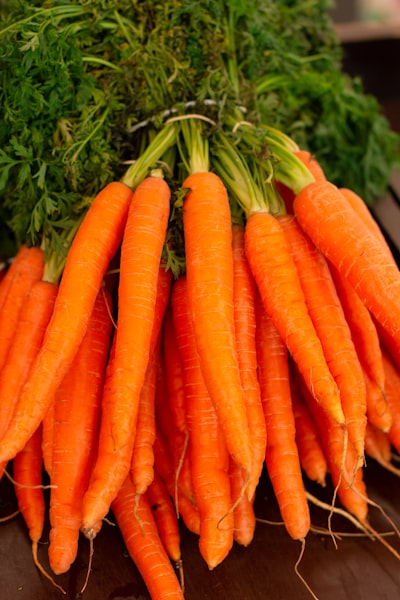
The most antioxidant-dense foods come from plants, and the general rule is simple: the brighter the color, the more antioxidants it contains. Blueberries, dark leafy greens, red bell peppers, purple grapes, and orange carrots each contain different families of antioxidants that work together to protect your cells.
Below is a comparison of the top antioxidant foods by ORAC score (Oxygen Radical Absorbance Capacity), the standard measure of antioxidant power:
| Food | ORAC Score (per 100g) | Key Antioxidants | Best Way to Eat |
|---|---|---|---|
| Wild blueberries | 9,621 | Anthocyanins, vitamin C | Fresh or frozen in oatmeal |
| Dark chocolate (70%+) | 20,816 | Flavonoids, polyphenols | 1-2 squares as dessert |
| Pecans | 17,940 | Vitamin E, ellagic acid | Handful as snack |
| Artichokes (cooked) | 9,416 | Chlorogenic acid, cynarin | Steamed with lemon |
| Kidney beans | 8,606 | Anthocyanins, flavonoids | Added to soups or salads |
| Kale | 7,040 | Lutein, vitamin C, beta-carotene | Steamed or in smoothies |
| Strawberries | 5,938 | Ellagic acid, vitamin C | Fresh with yogurt |
Notice that dark chocolate tops the list. That is not a license to eat the whole bar — a square or two of 70 percent or higher cocoa is plenty. But it is a reminder that eating for antioxidants does not mean depriving yourself.
Berries: The Antioxidant Powerhouse Every Senior Needs
Blueberries, strawberries, raspberries, and blackberries are the most studied antioxidant foods in aging research. They are packed with anthocyanins, the compounds that give them their deep blue and red colors, which have been shown to cross the blood-brain barrier and protect neurons from oxidative damage.
The Nurses' Health Study followed over 16,000 women aged 70 and older and found that those who ate at least one serving of blueberries or strawberries per week had a 2.5-year delay in cognitive aging compared to those who did not. That is a meaningful difference from one simple dietary change.
Berries are also rich in vitamin C, which supports immune function — especially important for seniors whose immune systems naturally weaken with age. A half-cup of strawberries provides more vitamin C than an orange, with fewer calories and more fiber.
Leafy Greens and Cruciferous Vegetables for Cellular Health
Kale, spinach, collard greens, broccoli, and Brussels sprouts are among the most nutrient-dense foods you can eat. They deliver lutein and zeaxanthin, antioxidants that protect your eyes from age-related macular degeneration — the leading cause of vision loss in adults over 60.
A 2018 study in Neurology found that people who ate one serving of leafy greens daily had cognitive abilities equivalent to someone 11 years younger than those who rarely ate them. The effect is attributed to the combination of lutein, folate, and vitamin K, all of which support brain health.
Cruciferous vegetables like broccoli and Brussels sprouts also contain sulforaphane, a compound that activates your body's own antioxidant defense systems. Unlike direct antioxidants that neutralize free radicals one-for-one, sulforaphane tells your cells to produce more of their own protective enzymes — a longer-lasting benefit.
Nuts, Seeds, and Healthy Fats for Daily Protection
Walnuts, pecans, almonds, and flaxseeds are concentrated sources of vitamin E, an antioxidant that protects cell membranes from oxidative damage. Unlike water-soluble antioxidants like vitamin C that work inside your cells, vitamin E guards the fatty outer layer of every cell in your body.
Walnuts stand out because they contain three times as much antioxidants as any other nut. A handful of walnuts (about 1 ounce) provides 2.6 mg of gamma-tocopherol, a form of vitamin E with strong anti-inflammatory effects. The PREDIMED study, a landmark Spanish trial on the Mediterranean diet, found that older adults who ate nuts at least three times per week had a 30 percent lower risk of cardiovascular events.
For seniors who struggle with chewing, ground flaxseed or almond butter are excellent alternatives that provide the same antioxidant benefits without the texture challenge.
How Much Do Seniors Need Each Day? (Serving Guide)
There is no official RDA for antioxidants because they are not a single nutrient. But health organizations recommend 6 to 8 servings of fruits and vegetables daily for adults over 65, with at least half coming from high-antioxidant sources. Here is what that looks like in practice:
| Meal | Suggested Serving | Antioxidant Boost |
|---|---|---|
| Breakfast | 1/2 cup blueberries in oatmeal | Anthocyanins + vitamin C |
| Lunch | 2 cups spinach salad with bell peppers | Lutein + beta-carotene |
| Snack | 1 oz walnuts + small apple | Vitamin E + quercetin |
| Dinner | 1/2 cup steamed broccoli + sweet potato | Sulforaphane + beta-carotene |
| Dessert | 1 square dark chocolate (70%+) | Flavonoids |
If you currently eat 2 to 3 servings of produce daily (typical for most American seniors), aim to add one serving per week until you reach 6 to 8. A serving is one cup of raw vegetables, half a cup of cooked vegetables, one medium fruit, or half a cup of berries.
Frozen fruits and vegetables count — and in many cases, frozen produce retains more antioxidants than fresh produce that has sat in transit for days. A 2022 study found that frozen blueberries had higher anthocyanin levels than fresh blueberries stored for 5 days.
How to Prepare Antioxidant-Rich Meals Without Losing Nutrients
Cooking method matters more than most people realize. Boiling vegetables can leach up to 50 percent of water-soluble antioxidants into the cooking water. Steaming, microwaving, and gentle sautéing preserve significantly more nutrients.
Here are practical tips for seniors who want to get the most from their food:
- Steam instead of boil — broccoli, kale, and spinach retain 80 to 90 percent of their antioxidants when steamed for 3 to 5 minutes. Boiling drops retention to 50 to 60 percent.
- Use the microwave — microwaving vegetables with minimal water is actually one of the best methods for preserving antioxidants. Studies show microwaved vegetables retain 85 to 90 percent of their vitamin C.
- Add a little healthy fat — many antioxidants are fat-soluble. Drizzle olive oil on your salad or steamed vegetables to improve absorption of lutein, lycopene, and beta-carotene.
- Chop just before cooking — cutting vegetables exposes them to air, which triggers oxidation and nutrient loss. Chop right before cooking, not hours ahead.
- Save the cooking water — if you do boil vegetables, use the nutrient-rich water as a base for soups or stews instead of pouring it down the drain.
Should Seniors Take Antioxidant Supplements?
The short answer is: get your antioxidants from food, not pills. Large clinical trials have consistently failed to show that isolated antioxidant supplements prevent disease, and some have even found harm at high doses.
The SELECT trial tested selenium and vitamin E supplements in over 35,000 men and found that vitamin E actually increased the risk of prostate cancer. The Beta-Carotene and Retinol Efficacy Trial (CARET) found that high-dose beta-carotene supplements increased lung cancer risk in smokers.
Whole foods contain hundreds of different antioxidants that work together synergistically. Beta-carotene in a carrot behaves differently than beta-carotene in a pill because the carrot delivers fiber, vitamin C, potassium, and dozens of other compounds that influence how your body uses it.
The only exceptions are specific supplements your doctor may recommend for diagnosed deficiencies — vitamin D in northern climates, vitamin B12 for vegans, or iron for anemia. But for general antioxidant protection, food wins every time.
Frequently Asked Questions About Antioxidants for Seniors
Do coffee and tea count as antioxidant sources?
Yes. Coffee is one of the largest sources of antioxidants in the American diet, and green tea is rich in catechins, a powerful class of antioxidants. Aim for unsweetened versions to avoid added sugar.
Can I get enough antioxidants on a limited budget?
Absolutely. Frozen berries, canned tomatoes, carrots, cabbage, and beans are all affordable and packed with antioxidants. Buying seasonal produce and store-brand frozen vegetables keeps costs low.
Do I need to eat organic for antioxidant benefits?
No. The antioxidant content of organic and conventionally grown produce is similar. The most important thing is to eat more fruits and vegetables, regardless of how they were grown.
How quickly do antioxidant levels improve after changing my diet?
Blood antioxidant levels can start rising within days of increasing your fruit and vegetable intake. Most studies show measurable changes in oxidative stress markers within 2 to 4 weeks of adopting a high-antioxidant diet.
Can eating too many antioxidant foods be harmful?
Getting antioxidants from food is very safe — your body simply excretes what it does not need. The concern about toxicity applies only to high-dose supplements, not whole foods. That said, people on blood thinners like warfarin should be consistent with their intake of vitamin K-rich greens.