
Table of Contents
- Why Your Bones Need Different Nutrition After 65
- The 5 Nutrients Your Bones Can't Live Without
- Calcium From Food vs. Supplements: What's Actually Better?
- Best Foods for Bone Health — Your Shopping List
- What Hurts Your Bones — Foods That Work Against Y ou
- A Practical Eating Plan: One Week of Bone-Healthy Meals
- How to Know If Your Plan Is Working
- Putting It All Together: Your First Week
You don't feel your bones getting weaker. There's no ache, no warning sign. Then you trip on a rug, catch yourself on the counter, and your wrist snaps. Or you bend to pick up the newspaper and feel a dull pop in your spine.
That's how osteoporosis works. Silent, invisible, and shockingly common. By 65, your skeleton has been quietly losing density for decades — up to 1% per year after menopause for women, and about 0.5% per year for men after 70. The result: bones that break from stresses that wouldn't have fazed you at 45.
But here's what most people miss: bone loss isn't inevitable. It's not a fixed fate written into your genes. What you eat — starting today — directly determines how much bone you keep in the years ahead. A 2023 study in the Journal of Bone and Mineral Research tracked 2,500 adults over 65 for eight years. Those who met the daily targets for calcium, vitamin D, and protein had 47% fewer hip fractures than those who fell short.
This guide covers exactly what to eat for stronger bones after 65, the specific nutrients that matter most, how to compare your options, and a practical plan you can start this week. No gimmicks, no expensive supplements you don't need. Just food.
Why Your Bones Need Different Nutrition After 65
Your skeleton isn't a static frame. It's living tissue that constantly breaks down and rebuilds — a process called remodeling. Until about age 30, the building keeps pace with the breakdown. After that, the balance shifts. You lose slightly more than you rebuild each year.
After 65, three things accelerate the problem:
Absorption drops. Your gut becomes less efficient at pulling calcium from food. A 25-year-old absorbs about 30% of the calcium in a glass of milk. At 70, that number drops to around 15%. The same decline happens with vitamin B12 and magnesium, both needed for bone metabolism.
Vitamin D production crashes. Your skin produces roughly 75% less vitamin D from sunlight after 65 compared to your twenties. Since vitamin D controls how much calcium your body actually absorbs, this creates a bottleneck — even if you're eating enough calcium, your body can't use it effectively without enough D.
Inflammation rises. Age-related inflammation increases the activity of osteoclasts — the cells that break down bone tissue. A diet high in processed foods and low in anti-inflammatory nutrients (like those in vegetables, fish, and olive oil) accelerates this process.
The good news: all three of these respond to diet. You can compensate for lower absorption by eating more calcium, compensate for less sun exposure with food sources or supplements, and dial down inflammation with the right food choices.
The 5 Nutrients Your Bones Can't Live Without
Calcium gets all the attention, but it's only one piece of the puzzle. Bone health after 65 depends on a team of nutrients working together. Here's what each one does, how much you need, and exactly where to find it.
| Nutrient | Daily Target (65+) | What It Does for Bones | Best Food Sources |
|---|---|---|---|
| Calcium | 1,200 mg (women 50+) 1,000-1,200 mg (men 51-70/71+) |
The mineral that makes bone hard. Without enough, your body pulls it from your skeleton to maintain blood levels. | Yogurt (300 mg/cup), milk (300 mg/cup), sardines with bones (325 mg/3 oz), collard greens (270 mg/cup cooked), fortified orange juice (350 mg/cup) |
| Vitamin D | 800-2,000 IU | Controls calcium absorption in the gut. Without it, you absorb only 10-15% of the calcium you eat. | Salmon (570 IU/3 oz), canned tuna (150 IU/3 oz), egg yolks (40 IU each), fortified milk (120 IU/cup), sunlight (15-30 min/day on arms and face) |
| Protein | 1.0-1.2 g per kg body weight (~70-85 g for a 160 lb person) |
Forms the collagen framework that calcium and phosphorus attach to. Higher protein intake is linked to higher bone density in large studies. | Chicken breast (31 g/4 oz), Greek yogurt (17 g/cup), lentils (18 g/cup cooked), eggs (6 g each), salmon (23 g/4 oz) |
| Magnesium | 420 mg (men), 320 mg (women) | Helps convert vitamin D into its active form. Low magnesium = low usable vitamin D, even if you're getting enough. | Almonds (80 mg/oz), spinach (157 mg/cup cooked), black beans (120 mg/cup), pumpkin seeds (150 mg/oz), avocado (58 mg per fruit) |
| Vitamin K2 | 90-120 mcg (no official RDA) | Directs calcium into bones instead of soft tissues like arteries. Works alongside vitamin D. | Natto (fermented soybeans — 1,000 mcg/3 oz), aged cheese like Gouda (75 mcg/oz), egg yolks (30 mcg each), chicken liver |
Calcium From Food vs. Supplements: What's Actually Better?
Walk into any drugstore and you'll see shelves of calcium pills. The marketing makes it sound simple: pop a pill, protect your bones. The science says something different.
Food calcium wins for three reasons:
Better absorption. Your body absorbs calcium from food more efficiently because it comes packaged with other nutrients that aid absorption — lactose in dairy, vitamin C in leafy greens, healthy fats in sardines. A 2015 meta-analysis in the British Medical Journal found that calcium from food lowered fracture risk, but the same benefit didn't appear with supplement-only intake.
Lower risk. Large calcium supplement trials have raised concerns. A 2012 analysis of the Women's Health Initiative (over 36,000 women) found a 17% increase in kidney stones among women taking calcium supplements. Separate research has noted a possible link between high-dose calcium supplements and arterial calcification, though the evidence isn't conclusive.
It's actually easier. Three servings of dairy — a yogurt at breakfast, cheese on your lunch sandwich, a glass of milk with dinner — deliver about 900 mg. Add a serving of greens and you're at 1,200. No pills, no timing to worry about, no remembering.
| Factor | Calcium From Food | Calcium From Supplements |
|---|---|---|
| Absorption rate | 25-35% (packaged with absorption cofactors) | 20-30% (varies by form — citrate better than carbonate for seniors with low stomach acid) |
| Kidney stone risk | No increased risk | 17% increase in one major trial |
| Additional nutrients | Comes with protein, magnesium, potassium, vitamin K2 | Calcium alone (unless it's a combo supplement) |
| Cost (monthly) | ~$15-40 extra on groceries | $5-20 per bottle |
| Best for | Everyone who can tolerate dairy or calcium-rich plant foods | People who can't eat dairy, have absorption disorders, or consistently fall 500+ mg short |
The bottom line: aim to get 1,000 mg from food first. If you still fall short after a week of tracking — and your doctor agrees — a low-dose supplement (500 mg or less) can close the gap. Taking more than 500 mg at once is wasted: your body can't absorb it.
Best Foods for Bone Health — Your Shopping List
Here's what to put in your cart. These are the foods that deliver the highest density of bone-building nutrients per dollar and per bite.
Dairy and Alternatives (Top Calcium Sources)
- Plain Greek yogurt: 300 mg calcium, 17 g protein per cup. Skip the flavored ones — they're loaded with sugar. Add berries yourself.
- Low-fat milk or fortified unsweetened soy milk: 300 mg calcium per cup.
- Cottage cheese: 130 mg calcium per half-cup, plus 14 g protein. Look for low-sodium versions if blood pressure is a concern.
- Aged hard cheeses (Parmesan, aged cheddar, Gouda): 200-330 mg calcium per ounce, plus vitamin K2 in aged varieties.
Seafood With Edible Bones (Calcium + Vitamin D)
- Canned sardines (with bones): 325 mg calcium, 200 IU vitamin D per 3 oz can. The bones are so soft you won't notice them.
- Canned salmon (with bones): 180 mg calcium per 3 oz, plus omega-3s that reduce inflammation.
- Anchovies: A small handful adds 75 mg calcium and intense flavor to salads and pastas.
Leafy Greens and Vegetables (Calcium + Magnesium + K1)
- Collard greens (cooked): 270 mg calcium per cup. Highest calcium density of any vegetable.
- Kale (cooked): 180 mg calcium per cup. Unlike spinach, kale's calcium is highly absorbable.
- Broccoli (cooked): 60 mg calcium per cup plus vitamin C, which helps build bone collagen.
- Bok choy: 160 mg calcium per cup cooked. Easy to stir-fry with garlic and a splash of low-sodium soy sauce.
Nuts, Seeds, and Legumes (Magnesium + Protein)
- Almonds: 80 mg magnesium and 75 mg calcium per ounce (about 23 almonds).
- Pumpkin seeds: 150 mg magnesium per ounce. Sprinkle on oatmeal and salads.
- Chia seeds: 180 mg calcium and 95 mg magnesium per ounce. Stir into yogurt and let sit for 10 minutes — it thickens into a pudding.
- Edamame (soybeans): 100 mg calcium per half-cup, plus 9 g protein.
- White beans and chickpeas: 80-100 mg calcium per cup cooked. Rinse canned beans to cut sodium by 40%.
Fortified Foods (The Convenience Option)
- Fortified orange juice: 350 mg calcium and 140 IU vitamin D per cup. Check the label — not all OJ is fortified.
- Fortified cereals (low-sugar): Up to 1,000 mg calcium per serving. Look for options with under 5 g added sugar.
- Fortified tofu (set with calcium sulfate): 250-860 mg calcium per half-cup depending on brand.
What Hurts Your Bones — Foods That Work Against You
Some foods don't just fail to help — they actively undermine bone density. You don't have to eliminate these entirely, but knowing which ones work against you helps you make smarter trade-offs.
Excess sodium. For every 2,300 mg of sodium your body processes, you lose about 40 mg of calcium through urine. If you're eating a typical American diet (3,400 mg sodium per day), that's about 60 mg of calcium flushed away daily — or roughly the calcium in two ounces of cheese. Over a year, that adds up.
Heavy alcohol use. More than two drinks a day interferes with vitamin D metabolism and directly suppresses the cells that build new bone. The effect is dose-dependent: one drink a day shows no harm in most studies, but three or more consistently shows bone loss.
Cola drinks (regular and diet). Colas contain phosphoric acid, which increases calcium excretion. A 2006 Framingham Osteoporosis Study found that women who drank cola daily had significantly lower bone density in their hips — independent of calcium intake and other risk factors. Non-cola sodas and sparkling water didn't show the same effect.
Excessive caffeine. Caffeine increases calcium loss through urine, but the effect is small — about 2-3 mg per cup of coffee. It only becomes a problem if you're drinking four or more cups a day and not getting enough calcium to begin with. Adding a splash of milk to your coffee more than compensates.
Very high-dose vitamin A. Chronic intake above 5,000 IU per day (about double the RDA) from supplements has been linked to higher fracture risk. Food sources of vitamin A don't carry this risk — it's specific to high-dose supplements.
A Practical Eating Plan: One Week of Bone-Healthy Meals
Here's what a week of bone-focused eating actually looks like. These meals are built around foods you can find at any grocery store, with no specialty ingredients or complicated prep. Each day delivers roughly 1,100-1,300 mg of calcium, 70-90 grams of protein, and the supporting nutrients your bones need.
Day 1 — Easy Start
- Breakfast: 1 cup plain Greek yogurt with 1/2 cup berries, 1 tablespoon chia seeds, and a drizzle of honey
- Lunch: Tuna salad sandwich on whole-grain bread (use canned tuna, Greek yogurt instead of mayo, celery), plus 1 cup cherry tomatoes
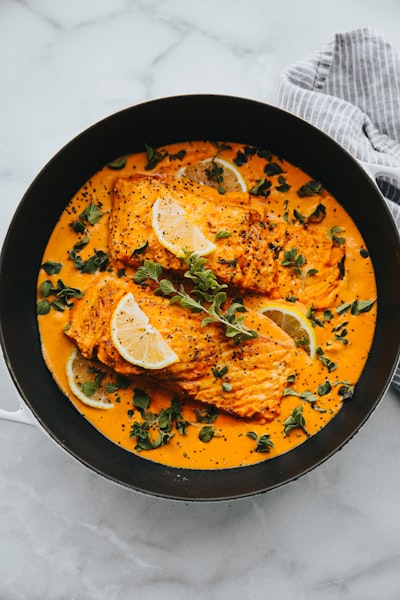
- Dinner: 4 oz baked salmon, 1 cup steamed broccoli with lemon, 1/2 cup brown rice
- Snack: 1 ounce almonds, 1 small apple
Day 2 — Mediterranean Style
- Breakfast: 2 scrambled eggs with spinach and feta, 1 slice whole-grain toast
- Lunch: Lentil soup (canned, low-sodium, or homemade) with 2 tablespoons Parmesan, whole-grain crackers
- Dinner: Grilled chicken breast, quinoa with roasted vegetables (zucchini, bell pepper, red onion), olive oil drizzle
- Snack: 1 cup low-fat cottage cheese, 1/2 cup pineapple
Day 3 — Sardine Day (Don't Knock It Until You Try It)
- Breakfast: Oatmeal made with milk (not water), 1 tablespoon pumpkin seeds, 1/2 banana
- Lunch: Sardines on whole-grain toast with sliced avocado and a squeeze of lemon, side of carrot sticks
- Dinner: Turkey chili made with kidney beans and diced tomatoes, topped with shredded cheddar
- Snack: 1 cup fortified orange juice
Day 4 — Plant-Forward
- Breakfast: Smoothie: 1 cup fortified soy milk, 1/2 cup Greek yogurt, 1 cup spinach, 1/2 banana, 1 tablespoon almond butter
- Lunch: Kale and white bean salad with sun-dried tomatoes, walnuts, and a lemon-olive oil dressing
- Dinner: Stir-fried tofu (calcium-set) with bok choy, broccoli, and brown rice
- Snack: 1 ounce aged Gouda cheese, 4 whole-grain crackers
Day 5 — Comfort Food With Benefits
- Breakfast: Whole-grain English muffin with 1 tablespoon peanut butter, 1 cup milk
- Lunch: Grilled cheese sandwich (whole-grain bread, aged cheddar), tomato soup (low-sodium)
- Dinner: Baked cod, roasted sweet potato, steamed green beans with slivered almonds
- Snack: 1 cup plain yogurt with honey, small handful of walnuts
Day 6 — Fast and Simple
- Breakfast: Fortified low-sugar cereal with milk, 1 sliced banana
- Lunch: Leftover turkey chili from Day 3, side of mixed greens with olive oil and vinegar
- Dinner: Omelet (2 eggs) with mushrooms, peppers, and Swiss cheese, 1 slice whole-grain toast
- Snack: 1/4 cup pumpkin seeds, 1 pear
Day 7 — Sunday Roast
- Breakfast: 2 poached eggs on whole-grain toast, 1 cup milk
- Lunch: Sardine and avocado wrap (whole-grain tortilla), 1 cup cherry tomatoes
- Dinner: Roast chicken breast, 1 cup collard greens sauteed with garlic and olive oil, 1/2 cup quinoa
- Snack: 1 ounce Parmesan crisps, 1 apple
How to Know If Your Plan Is Working
You can't feel bone density changes. So how do you know the diet is actually helping? Here's what to track and when to test.
Get a DEXA scan. This is the gold standard for measuring bone density. It's painless, takes about 10 minutes, and gives you a T-score — a number that compares your bone density to a healthy 30-year-old. A T-score between -1.0 and -2.5 means osteopenia (low bone mass). Below -2.5 is osteoporosis. Medicare covers DEXA scans every two years for women over 65 and men at risk. If you haven't had one, ask your doctor.
Check your vitamin D blood level. Ask for a 25-hydroxy vitamin D test. Ideal range is 30-50 ng/mL. Below 20 is deficient. Below 30 is insufficient. The only way to know if your diet and sun exposure are enough — or if you need a supplement — is this blood test. Guessing doesn't work.
Watch your protein intake. If you're losing muscle mass alongside bone density (and most seniors do), protein becomes even more important. A simple check: can you get up from a chair without using your hands? If not, you may be losing muscle faster than bone. Tracking protein for just three days with a food app gives you a clear picture.
Track the trend, not a single reading. One DEXA scan that's low doesn't tell you much about whether things are getting worse. Two scans, two years apart, tell you everything. If your T-score is stable — even if it's low — the diet and lifestyle changes are working. If it's dropping by 2-3% per year, you need to adjust.
Putting It All Together: Your First Week
You don't need to overhaul your entire kitchen overnight. Here's the minimum effective dose — the smallest set of changes that produce real results.
Day 1: Buy plain Greek yogurt, a bag of almonds, and fortified milk or soy milk. That's it. Replace your usual breakfast with yogurt, berries, and a sprinkle of almonds. You've just added 350 mg of calcium and 20 g of protein to your day before 9 AM.
Day 3: Add one serving of leafy greens to dinner. A handful of spinach in your scrambled eggs. Steamed broccoli alongside your chicken. Collard greens sauteed with garlic. If you're not a greens person, start with broccoli — it's the most forgiving.
Day 5: Try canned sardines or salmon with bones for lunch. It sounds intimidating if you've never had them, but sardines on toast with avocado and lemon are genuinely good. One can delivers more calcium than a glass of milk plus a dose of vitamin D.
Day 7: Look at your week. If you've managed yogurt at breakfast, greens at dinner, and one serving of fatty fish, you're already covering 80% of what your bones need. The remaining 20% — tracking vitamin D, getting a DEXA scan, fine-tuning protein — can happen over the next month.
Bones change slowly. That can feel discouraging — you want to see progress. But it also means there's no deadline you've already missed. Every meal you eat from today forward is another deposit into the bone bank. Start where you are. The skeleton you have at 85 will thank you for what you did at 65.
For more on eating well as you age, see our DASH diet guide for seniors — it pairs well with bone-health nutrition if you're managing blood pressure too. If you're looking to build the muscles that support those bones, our guide to the best protein sources for seniors walks you through exactly how much you need.
;color:#1a1a2e;text-decoration:none;box-shadow:0 2px 8px rgba(0,0,0,0.06)"> Best Calcium Supplements for Seniors — Complete Buying Guide
When food isn't enough, here's how to choose a calcium supplement that works.
 Joint Health Foods for Seniors — What to Eat for Less Pain
The anti-inflammatory foods that support both your joints and your bones.
 Best Protein for Seniors — How Much You Need and Where to Get It
Protein is the scaffolding your bones depend on. Here's the complete guide.