Why Do Seniors Need Choline? Brain, Muscle, and Liver Explained
Choline is an essential nutrient most seniors don't get enough of. Your body uses choline to build cell membranes, produce acetylcholine for muscle control, help your liver process fat, and support memory formation — yet less than 10 percent of older adults meet the daily recommendation.
The National Institutes of Health sets the daily choline requirement at 425 mg for women and 550 mg for men over 65. Most seniors land around 250–300 mg per day from food. That gap matters because choline plays a direct role in three systems that tend to decline with age: brain function, muscle signaling, and liver health. You can't make enough choline in your body — you have to eat it.
Eggs: The Most Practical Choline Source for Seniors
One large egg gives you 147 mg of choline, and almost all of it is in the yolk. That means two eggs for breakfast deliver nearly 300 mg — more than half of a woman's daily need and well over half for men.
Eggs are also one of the cheapest sources of high-quality protein and are easy to prepare, even with limited cooking skills or energy. Scrambled, poached, hard-boiled, or in an omelet — the method doesn't matter for choline content. The American Heart Association says an egg a day is fine for most seniors, and recent research has backed off the old cholesterol warnings. If you're watching cholesterol, talk to your doctor, but for most people over 65, eggs are a safe and effective way to fix a choline deficit.
Beef Liver: The Most Concentrated Choline Source
A 3-ounce serving of cooked beef liver packs about 355 mg of choline — more than any other food. Chicken liver is close at 247 mg per serving. Liver also delivers iron, vitamin B12, and folate, which many seniors are low in.
Liver can be an acquired taste, but there are easy ways to include it. Liver pâté on whole-grain crackers adds choline without the texture some people dislike. Finely chopped liver mixed into ground beef for meatloaf or burgers works too. If you have gout or high uric acid levels, talk to your doctor before adding liver regularly — it's high in purines. For everyone else, one serving a week makes a big dent in the choline gap.
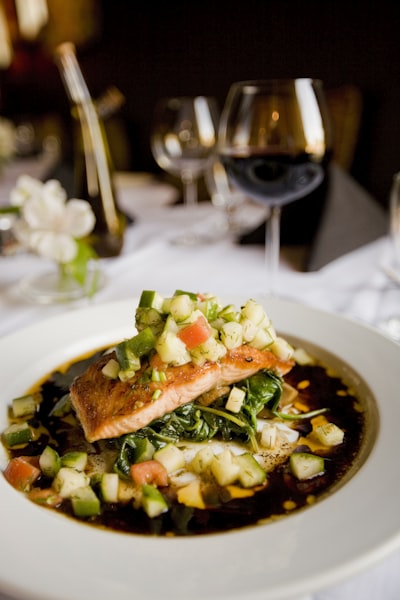
Salmon: Choline Plus Brain-Protective Omega-3s
A 3-ounce serving of salmon provides about 187 mg of choline along with omega-3 fatty acids that support brain health. That combination — choline for acetylcholine production plus DHA for neural maintenance — makes salmon a particularly smart choice for seniors worried about memory.
Canned salmon works just as well as fresh for choline content and costs less. It's already cooked, so you can add it to salads, mash it into patties, or eat it straight from the can. The USDA Dietary Guidelines recommend two servings of fatty fish per week for older adults, and salmon tops the list for both choline and omega-3 density. Mackerel and sardines are good alternatives with similar profiles.
Broccoli and Soybeans: Plant-Based Choline Options for Seniors
A cup of cooked broccoli delivers 62 mg of choline, and a cup of roasted soybeans gives you 107 mg. These are the strongest plant sources and work well for seniors who eat little or no animal products.
You'll need more volume from plant sources to hit your choline target. Pairing broccoli with a choline-rich protein like eggs or salmon solves that problem. Brussels sprouts (63 mg per cup) and quinoa (43 mg per cup) add moderate amounts. Edamame — steamed soybeans in the pod — makes a convenient snack that adds choline without cooking. The key is variety: no single plant food covers the full daily need, but combining several gets you close.
How Choline Supports Brain Health and Memory in Seniors
Choline is the raw material for acetylcholine, a neurotransmitter your brain needs for memory formation, attention, and learning. When choline intake drops, acetylcholine production falls, and cognitive processes slow down.
The Framingham Heart Study found that people with higher choline intake performed better on memory tests and had lower rates of cognitive decline. Animal studies show that choline supplementation during brain aging improves spatial memory and reduces amyloid plaque formation — the same protein clusters linked to Alzheimer's. Human research published in the American Journal of Clinical Nutrition reported that higher choline intake was associated with better verbal memory and processing speed in older adults. It's not a cure for dementia, but getting enough choline is one of the few diet levers with real evidence behind it for preserving mental sharpness.
Choline and Muscle Function: Acetylcholine in Senior Movement
Acetylcholine is the chemical messenger that carries the signal from your nerves to your muscles telling them to contract. Without enough choline to make acetylcholine, those signals weaken — and so do your movements.
That's why low choline can show up as muscle weakness, slower reaction time, and poorer coordination — symptoms that look a lot like normal aging but may actually be fixable. A 2020 study in Nutrients found that choline intake correlates with muscle strength and physical performance in older adults. For seniors already dealing with sarcopenia (age-related muscle loss), getting enough choline supports the nervous system side of strength, not just the protein side. Think of it as the wiring behind your muscles — the food builds the muscle, but choline ensures the electrical signal to use it arrives loud and clear.
Choline and Liver Health: Why This Nutrient Prevents Fatty Liver in Seniors
Your liver needs choline to produce a compound called phosphatidylcholine, which packages and exports fat from the liver. Without enough choline, fat gets stuck inside liver cells — the definition of non-alcoholic fatty liver disease (NAFLD).
NAFLD affects about 40 percent of adults over 60, and most of them don't know they have it. The condition is reversible in early stages, and adequate choline intake is a proven intervention. A study in the Journal of Nutrition found that postmenopausal women with the lowest choline intake had five times the risk of liver damage. The National Institutes of Health lists choline deficiency as a recognized cause of liver dysfunction in humans. If you're over 65, eating choline-rich foods is one of the simplest things you can do for liver health right now — no special diets or supplements required.